Regarding The Court’s Decision
In today’s decision in Louisiana v. Callais, the United States Supreme Court issued a ruling that will shape how elections work across the country—not just in Louisiana. At its core, this case is about whether communities, especially Black communities, have a real and equal chance to choose leaders who represent them.
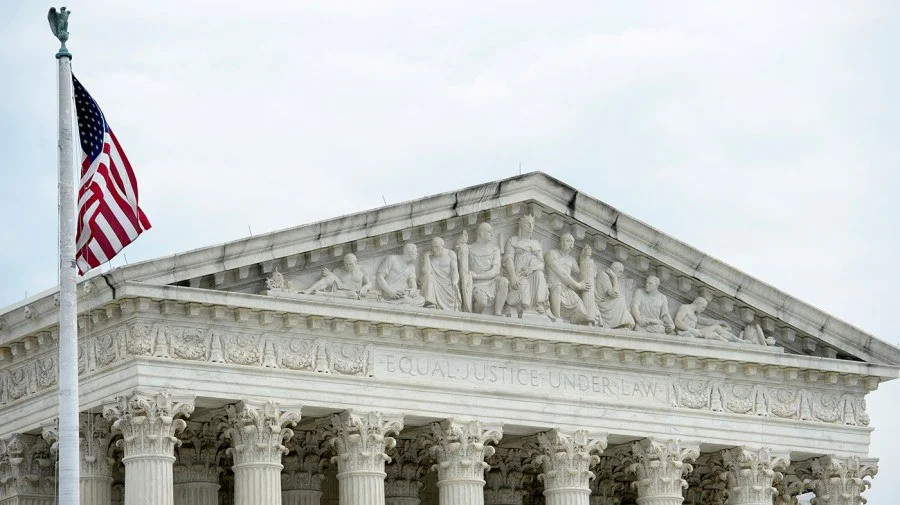
For many years, the Voting Rights Act has helped protect that principle. It has allowed people to challenge election maps that make it harder for certain communities to have their voices heard. This new decision makes those challenges much harder to win.
The Court has changed the rules. It is no longer enough to show that a voting map leads to unfair results. Now, people must prove that lawmakers intentionally set out to discriminate. That is a much higher bar—and in most cases, much harder to prove.
Why does that matter? Because in today’s politics, race and party often overlap. Lawmakers can now argue that their decisions were based on politics, not race, even if the end result is that Black voters have less influence in elections. That makes it easier for unfair systems to stand.
One important detail that may not get much attention is this: the Court is shifting the focus away from real-world impact and toward legal technicalities. In plain terms, it’s becoming harder to challenge systems that don’t work fairly, even when the problems are clear.
For us here in Las Vegas, this is not just a distant issue. Our community is growing and becoming more diverse. Making sure everyone has a meaningful voice in elections is essential to our future.
The NAACP has faced setbacks before, and we will face this one with the same resolve. We will continue to stand up, speak out, and push for a system where every person’s voice truly matters.